
Before the first light touches the forest floor, the wild is already awake. It doesn't transition from sleep to activity; it simply changes its voice.
To truly hear the forest, you must learn to separate the layers. There is the base layer—the constant, rhythmic hum of insects. Then there is the mid-layer—the rustle of leaves as small mammals stir. And finally, there is the canopy layer—the territorial calls of birds claiming the new day.
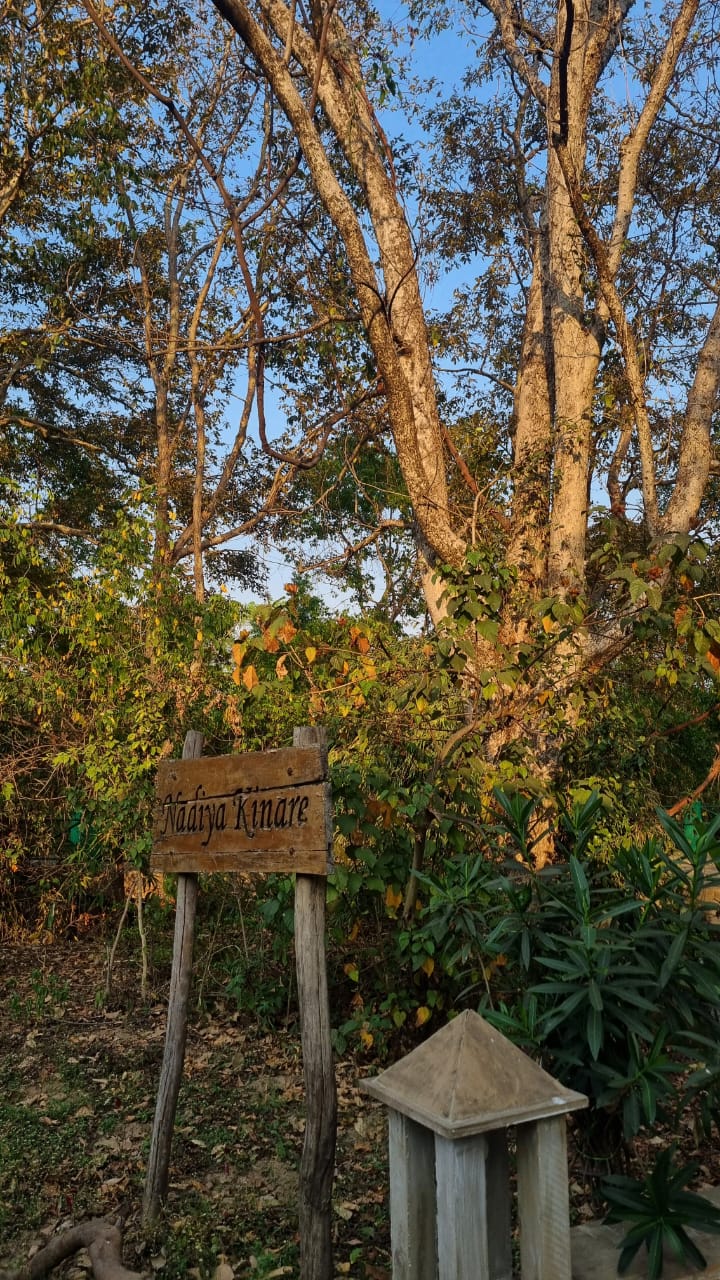
The visual quiet that accompanies the morning symphony.
In the city, we are surrounded by noise. Noise is intrusive, chaotic, and often stressful. But the sounds of the wild are different. They are *information*. Every chirp, snap, and call has a purpose. The Langur's alarm call tells you a predator is moving. The Malabar Whistling Thrush's song tells you the forest is at peace.
"Listening is the first act of respect we can offer the wild."
I've started a ritual of 'deep listening' every morning, no matter where I am. In the forest, it's easy. But even in a concrete jungle, there are sounds that connect us to the larger world—the wind in a lone tree, the rain on a windowsill.
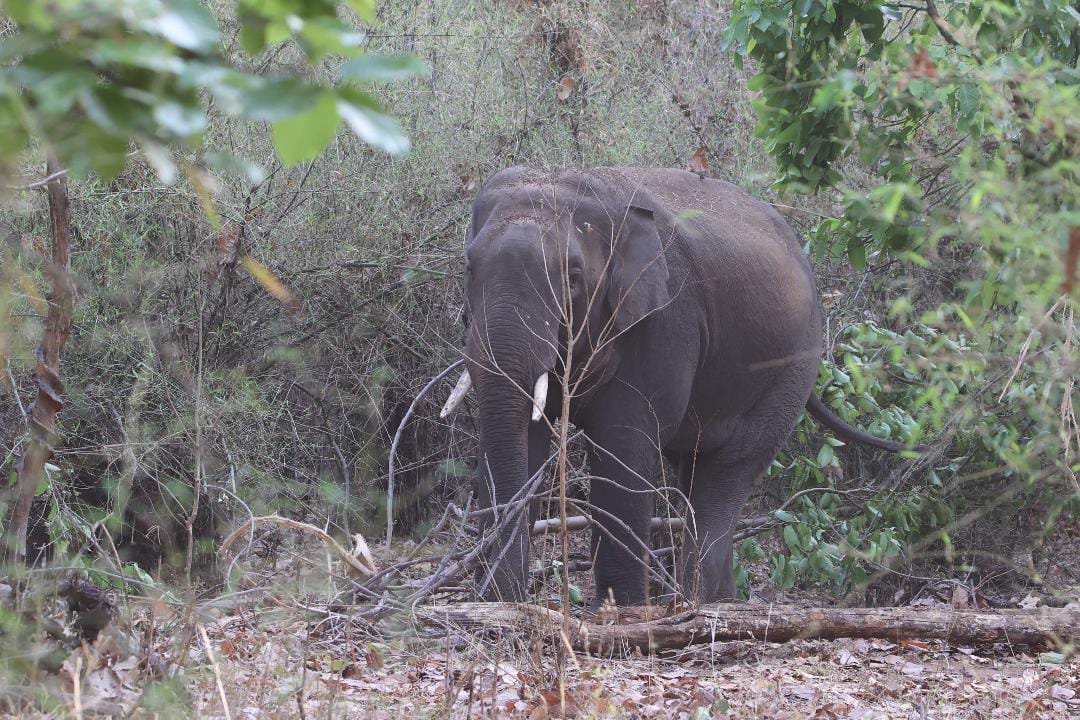
Deep rhythms of the giants.
By paying attention to the auditory landscape, we stop being the center of our own universe. We become part of a conversation that has been going on long before we arrived and will continue long after we are gone.
Next time you find yourself in nature, try this: Close your eyes and identify five distinct sounds. Don't label them ("that's a bird"), just feel their texture. You'll find that the more you listen, the more the forest reveals its secrets.