
Heritage: The First Orchestra
B
Before there were instruments, there was the wind. There was the rhythmic drumming of rain on broad teak leaves and the staccato calls of the langur. For the indigenous communities of Bandhavgarh, music is not a performance—it is a conversation with the environment. It is the practice of capturing the "first orchestra" of the wild and translating it into a human frequency.
Traditional instruments like the Bamboo Flute and the Animal-Hide Drum are considered sacred conduits. They are not merely tools for entertainment; they are essential participants in rituals of healing, storytelling, and honoring the forest spirits.
Connection: Mimicry as Respect
Indigenous music often mimics the sounds of the land. A flute melody might trace the whistle of a particular bird, while a steady drum beat mirrors the heavy, rhythmic gait of an elephant. By mimicking these sounds, the community practices a deep form of Empathy, aligning their own energy with that of the wild.
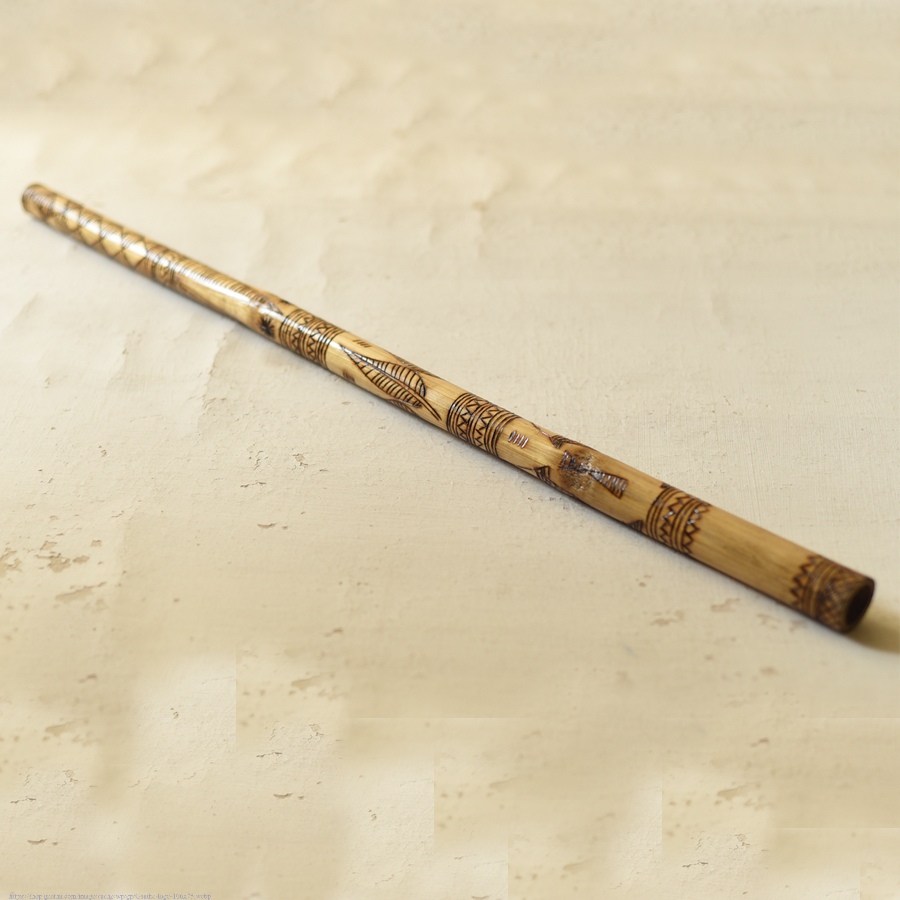
Bamboo Flute
The Wind's Voice
Used in healing rituals to mimic the sound of flowing water and wind, helping to calm the mind and slow the breath.
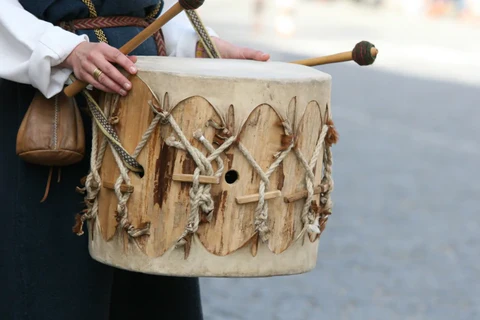
Animal-Hide Drum
The Heartbeat
The drum represents the pulse of the Earth. Its vibrations are used to ground the nervous system during ceremonies.
These instruments are used in rituals to mark the transitions of life—harvests, weddings, and departures—reminding the community that they are always moving in time with the seasons.
Healing: Resonating with the Wild
Science now confirms what indigenous wisdom has always known: certain rhythms can regulate our nervous system. The steady, low-frequency beat of a hide drum can lower cortisol levels, while the melodic patterns of a flute can induce alpha brain waves, associated with relaxation and focus.
But the healing goes deeper than biology. To listen to the heartbeat of the land is to feel less alone. It is a reminder that our own heartbeat is part of a much larger, ancient, and resilient rhythm. In the chaos of the city, we lose this resonance. Rhythmic healing is the practice of finding it again.
Material Spotlight: The Sound of Nature
The instruments of the wild are created from the landscape itself, ensuring that every note carries the frequency of the forest.
Giant Bamboo
Sourced from the deep valleys, chosen for its resonance and the way it speaks with the wind.
Dried Gourd
Used to create the resonating chambers of various string and wind instruments, echoing the hollows of the earth.
Raw Leather
Used for drumheads, providing the deep, rhythmic vibrations that mimic the heartbeat of the land.